Operational Disruption
When routing, dispatch or terminal systems stop, physical movement stops with them. Attackers time ransomware to cause maximum delay and pressure to pay.

 Thales Accelerate PartnerData, application and identity security, delivered by Cybergen.View the Thales page
Rail, road, ports and logistics networks depend on connected systems where a single outage can halt movement across a region. We help you find weaknesses first and recover fast when it matters.
Signalling, fleet telematics, warehouse automation, port terminal systems and booking platforms are now tightly linked. Attackers know that disruption puts enormous pressure on operators, which makes transport and logistics an attractive target for ransomware and extortion.
Cybergen tests the systems your operations rely on, watches for intrusions around the clock and helps you plan for the hours when systems are down and the business still has to move.
When routing, dispatch or terminal systems stop, physical movement stops with them. Attackers time ransomware to cause maximum delay and pressure to pay.
Logistics platforms hold addresses, manifests and commercial terms for thousands of customers. That data is valuable for fraud, cargo theft and extortion.
Fake delivery notices, invoice fraud and impersonated freight brokers target both staff and customers. A convincing email can redirect a payment or a whole consignment.
Telematics, connected fleets and automated handling equipment extend your network onto the road and the quayside. Each device needs secure configuration and monitoring like any other endpoint.
Carriers, freight forwarders and software providers share data through integrations and portals. A weakness in one partner can expose everyone connected to it.
The obligations that shape security in transport & logistics, and how we help you meet them with evidence rather than paperwork.
Operators of essential services in rail, road and water transport must manage security risks and report significant incidents to the Department for Transport as competent authority.
Official guidanceTransport across rail, road and water is a sector of high criticality under NIS2, bringing stronger risk management and reporting duties in EU member states.
Official guidanceIMO resolution MSC.428(98) expects ship operators to address cyber risk within their safety management systems.
Official guidanceThe UK Bill would update the NIS regime and extend oversight to more digital service providers that transport operators depend on.
Official guidanceHow a typical attack on transport & logistics unfolds, step by step. Press play to watch it run.
A phishing email impersonating a freight partner delivers malware to a planner's workstation.
Weak administrative controls let the attacker take over the warehouse management servers.
Ransomware is triggered on Friday night, taking routing and dispatch offline before peak weekend volumes.
Customer manifests are stolen and the attacker threatens to publish them unless a ransom is paid.
Email security and phishing simulation make the first click less likely, penetration testing removes the easy route to admin, MDR contains the intrusion before encryption and a tested continuity plan keeps freight moving manually.
Illustrative example, not a real incident.
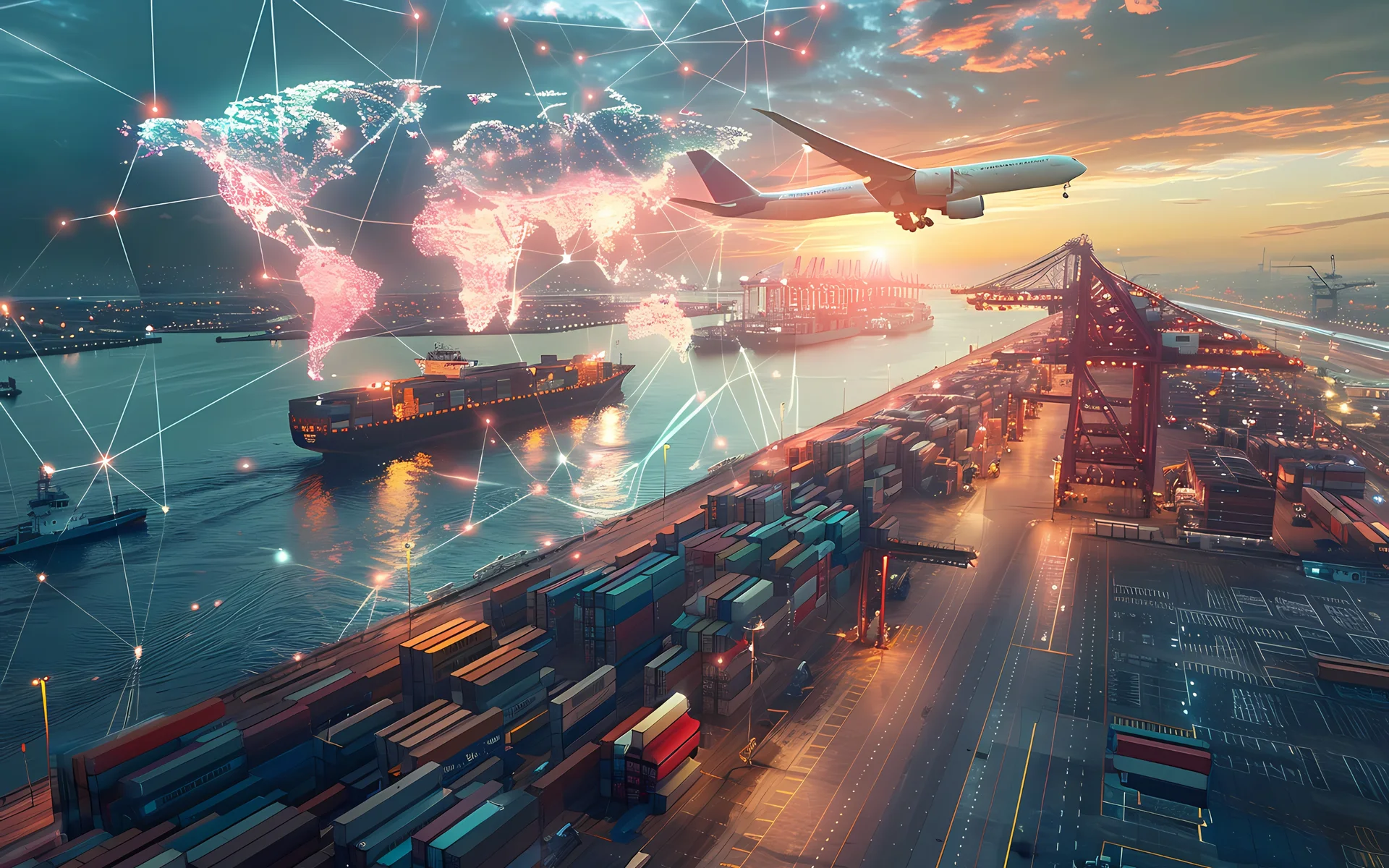
Logistics cyber security needs multiple layers to protect fleets, warehouses and supply chain systems. Learn the threats and how to build layered defences.
Read article · 8 min
Learn how to secure connected vehicles against remote hacking and data theft, with practical automotive cyber security steps from monitoring to response.
Read article · 9 min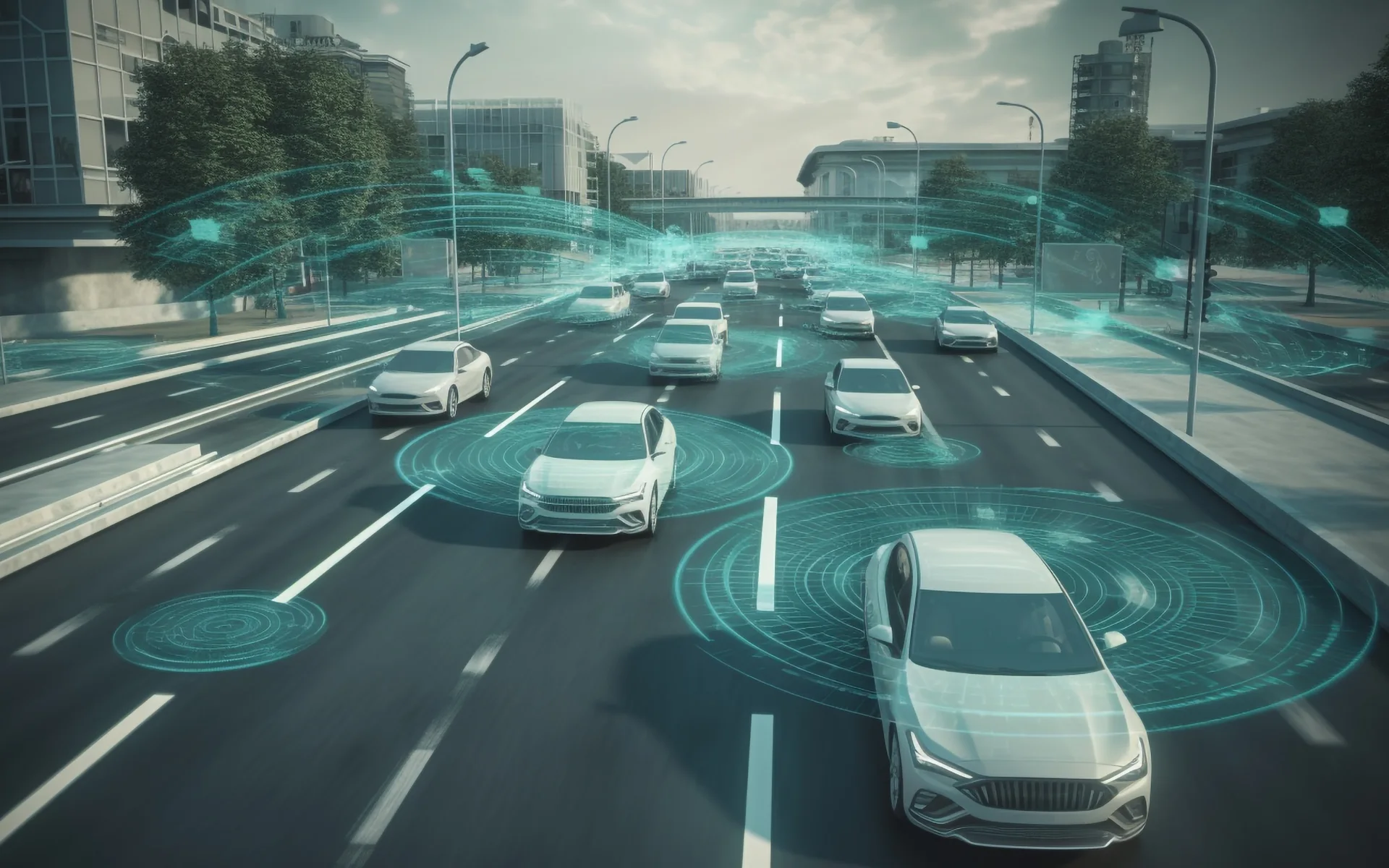
Autonomous vehicle cyber security protects self-driving systems from supply chain weaknesses and data privacy risks. Learn practical steps for safer transport.
Read article · 13 minBecause downtime is so visible and costly. When goods stop moving, pressure builds quickly, which attackers try to exploit.
Yes. We assess the platforms, apps and back end services behind fleet telematics and connected equipment, as well as the devices themselves where appropriate.
Start by listing which partners connect to your systems or data, then assess them based on real access. Our supply chain risk service helps you do this without endless questionnaires.
Yes. Airlines, airports and aviation suppliers have their own page because the regulations and threats are distinct. See our aviation and airlines sector page.
Tell us about your organisation, the regulations you work under and what is worrying you most.
A member of our team will be in touch to talk through your sector and requirements.