OT and SCADA Security
Control systems often run legacy software that cannot be patched quickly or scanned aggressively. Weak authentication and flat networks can let an intruder move from an engineering laptop to the plant floor.

 Thales Accelerate PartnerData, application and identity security, delivered by Cybergen.View the Thales page
Energy, water and utility operators run operational technology that was designed to last decades, not to face today's attackers. We help you protect it without putting live operations at risk.
Generation plants, substations, pipelines and treatment works increasingly depend on remote access, connected sensors and shared IT services. Every new connection brings efficiency, and every one is a possible route for an attacker who wants to cause disruption rather than simply steal data.
Cybergen combines threat intelligence on the groups that target critical infrastructure with testing designed for safety critical environments. We help you see your exposure across IT and OT, detect intrusions early and meet the resilience duties that come with running essential services.
Control systems often run legacy software that cannot be patched quickly or scanned aggressively. Weak authentication and flat networks can let an intruder move from an engineering laptop to the plant floor.
State-linked groups conduct long-term reconnaissance on energy networks to pre-position for disruption in a crisis. Their tradecraft is patient, quiet and designed to blend in with normal administration.
Operators of essential services must show that risks are managed and incidents are reported on time. Regulators expect evidence, not policy statements, and scrutiny is increasing across the UK and Europe.
Business IT and operational networks have grown together through remote monitoring and cloud reporting. Without strong segmentation, ransomware on the corporate side can force a precautionary shutdown of operations.
Equipment vendors, integrators and maintenance contractors often hold privileged remote access to critical sites. A compromise at one supplier can open doors across many operators at once.
The obligations that shape security in energy & utilities, and how we help you meet them with evidence rather than paperwork.
Operators of essential services in electricity, gas, oil and drinking water must take appropriate security measures and report significant incidents to their competent authority.
Official guidanceAcross the EU, energy entities face stricter risk management duties, management accountability and staged incident reporting under national laws implementing NIS2.
Official guidanceThe CAF is the outcome based framework UK regulators use to assess how well operators protect essential functions, from asset management to incident response.
Official guidanceThe UK Bill, progressing through Parliament in late 2026, would modernise the NIS regime with faster incident reporting and stronger regulator powers.
Official guidanceHow a typical attack on energy & utilities unfolds, step by step. Press play to watch it run.
An attacker phishes a maintenance contractor and takes over the remote access account they use to support a site.
Using legitimate tools, the intruder quietly maps the engineering network and finds a route from IT into the operational zone.
They collect credentials for engineering workstations and wait, avoiding anything that would trigger an obvious alarm.
Ransomware is staged on the corporate network to force a shutdown, while access to control systems is held in reserve.
Supplier access reviews close the contractor route, SCADA testing exposes the IT to OT path before an attacker finds it, and 24x7x365 monitoring flags the unusual remote session early, long before disruption begins.
Illustrative example, not a real incident.
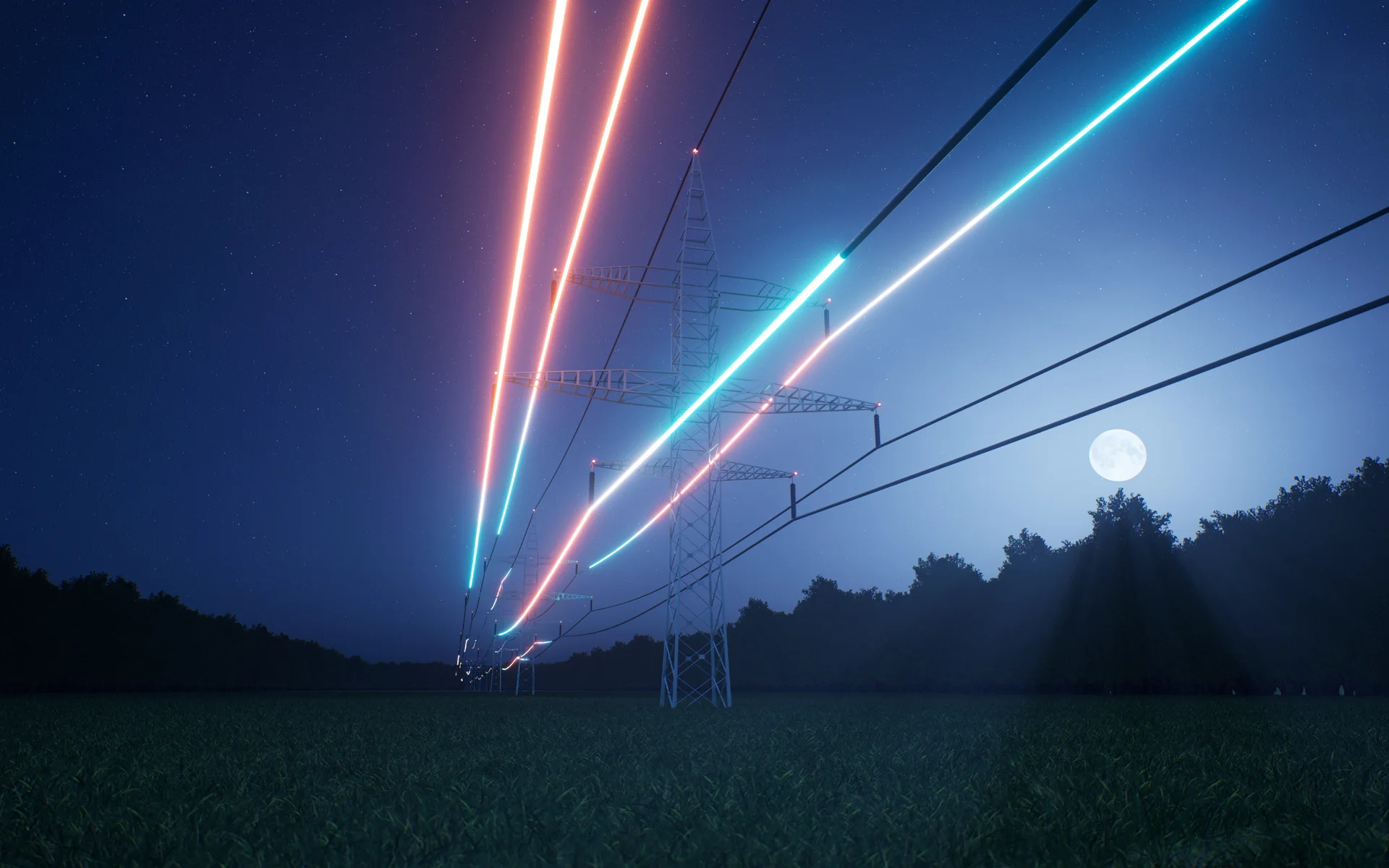
Nation-state threats to utilities exploit weak segmentation, OT complexity and third-party access. Learn the defences and frameworks that protect utilities.
Read article · 14 min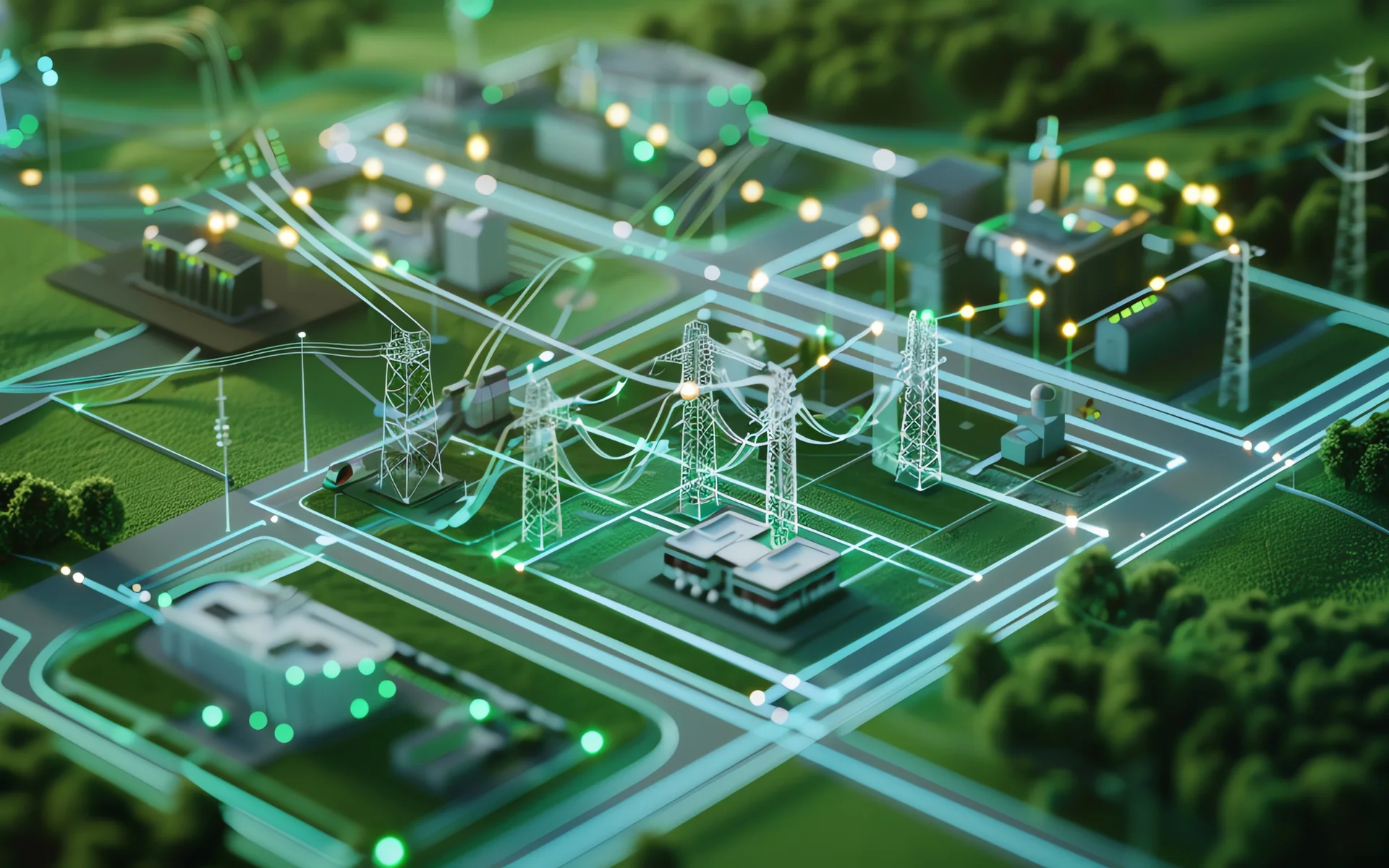
Smart grid cyber security risks explained: the common threats, the impact of attacks on energy networks and the smart grid countermeasures organisations need.
Read article · 6 min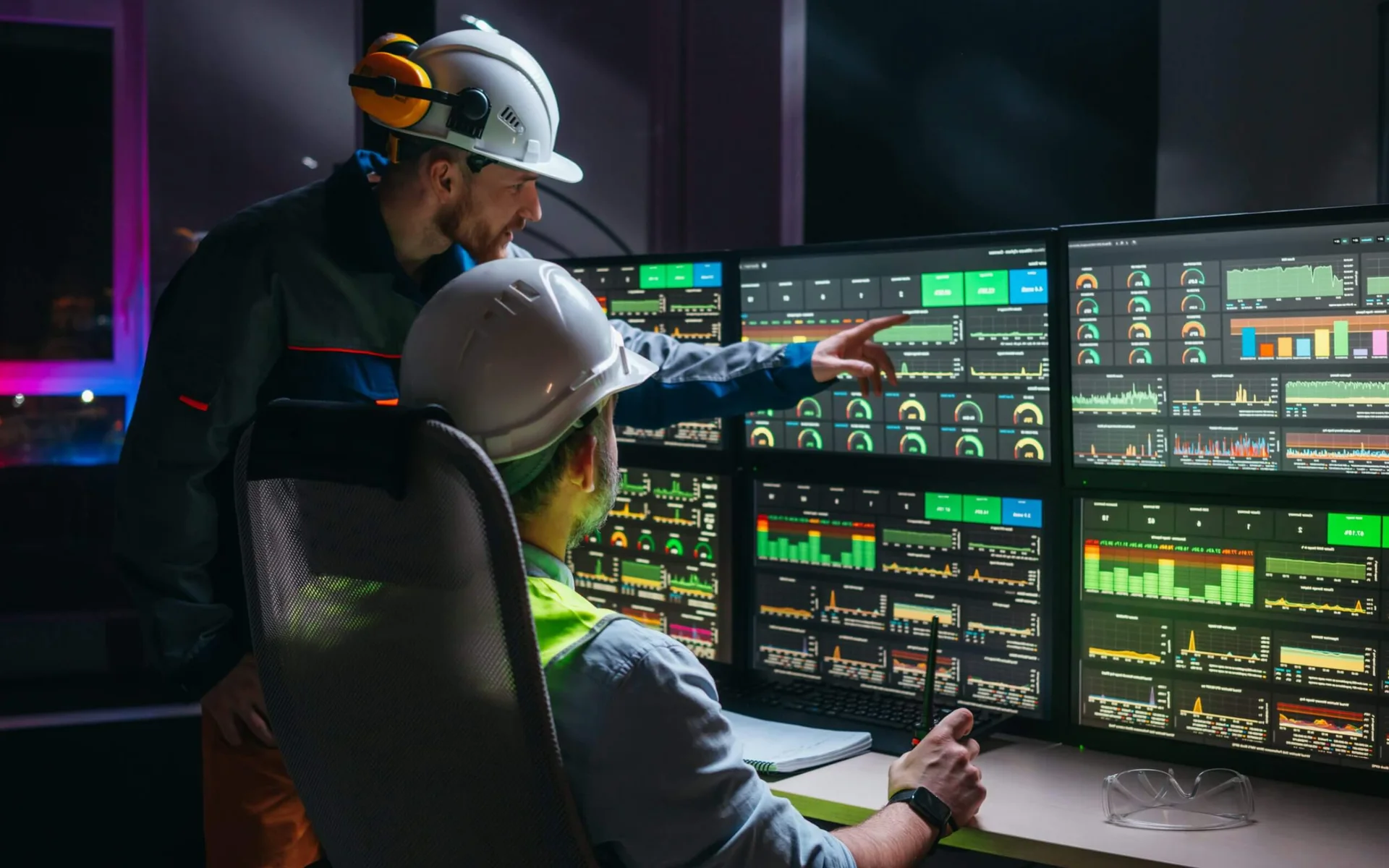
Pipeline SCADA security explained: current threats, technical weaknesses and how monitoring, resilience planning and standards help stop cyber intrusions.
Read article · 11 minYes. We plan OT testing with your engineers, use passive techniques where systems are fragile and agree change windows and stop conditions before any active testing begins.
If you supply electricity, gas, oil or drinking water above the relevant thresholds, you are likely to be an operator of essential services in the UK. Operators in EU member states fall under national NIS2 laws. We can help you confirm your position.
The NCSC Cyber Assessment Framework is how UK regulators judge whether essential functions are well protected. Using it as your baseline makes regulatory conversations simpler and gives the board a clear view of progress.
Yes. Cybergen supports organisations globally and aligns its work to the regulations that apply in each country you operate in.
Tell us about your organisation, the regulations you work under and what is worrying you most.
A member of our team will be in touch to talk through your sector and requirements.