Shared System Outages
Many airlines and airports rely on the same passenger processing and IT suppliers. An attack on one provider can disrupt check in and boarding at airports far from the original incident.

 Thales Accelerate PartnerData, application and identity security, delivered by Cybergen.View the Thales page
Airlines, airports and the suppliers behind them run on tightly connected systems where minutes of downtime ripple across continents. We help you protect passengers, operations and reputation.
Check in, baggage, departure control, crew scheduling and booking engines are shared across airlines, airports and ground handlers. When a common supplier is hit, queues form in terminals across many countries at once, as recent incidents affecting European airports have shown.
Cybergen helps aviation organisations understand where those dependencies sit, test the systems passengers and operations rely on, defend against booking and loyalty fraud, and meet the oversight expectations of the CAA and EASA.
Many airlines and airports rely on the same passenger processing and IT suppliers. An attack on one provider can disrupt check in and boarding at airports far from the original incident.
Booking records, passport details and frequent flyer accounts are valuable to criminals. Stolen loyalty points and account takeovers are sold and redeemed quickly.
Fake booking sites, cloned airline brands and phishing campaigns target travellers and staff alike. They damage trust and generate costly chargebacks and complaints.
Baggage handling, building management, airfield systems and connected ground equipment extend the attack surface beyond traditional IT. These systems need testing that respects safety and operations.
Ground handlers, caterers, maintenance organisations and IT providers all connect to airline and airport systems. Oversight of their security is now a regulatory expectation, not a nice to have.
The obligations that shape security in aviation & airlines, and how we help you meet them with evidence rather than paperwork.
In the UK, in scope airlines, airports and air navigation service providers complete a cyber self assessment against the CAF and have it verified through independent ASSURE audits.
Official guidancePart-IS requires aviation organisations across EASA states to identify and manage information security risks that could affect aviation safety, and is now fully applicable.
Official guidanceAir transport is an essential service under the UK NIS Regulations, with the CAA as competent authority, and a sector of high criticality under NIS2 in the EU.
Official guidanceAirlines and travel businesses that take card payments must protect cardholder data across booking channels, call centres and partner integrations.
Official guidanceHow a typical attack on aviation & airlines unfolds, step by step. Press play to watch it run.
An attacker breaches a provider of shared check in and boarding software used by several airports.
Encryption takes the service offline early in the morning, just as the first wave of departures begins.
Airlines revert to handwritten boarding passes and manual bag tags, and queues build in terminals in several countries.
Criminals register lookalike domains promising rebooking help and compensation, phishing anxious passengers.
Supplier risk assessments highlight the single point of failure, continuity exercises make the manual fallback smooth, brand monitoring takes down fake domains quickly and MDR spots the intrusion attempts that follow.
Illustrative example, not a real incident.
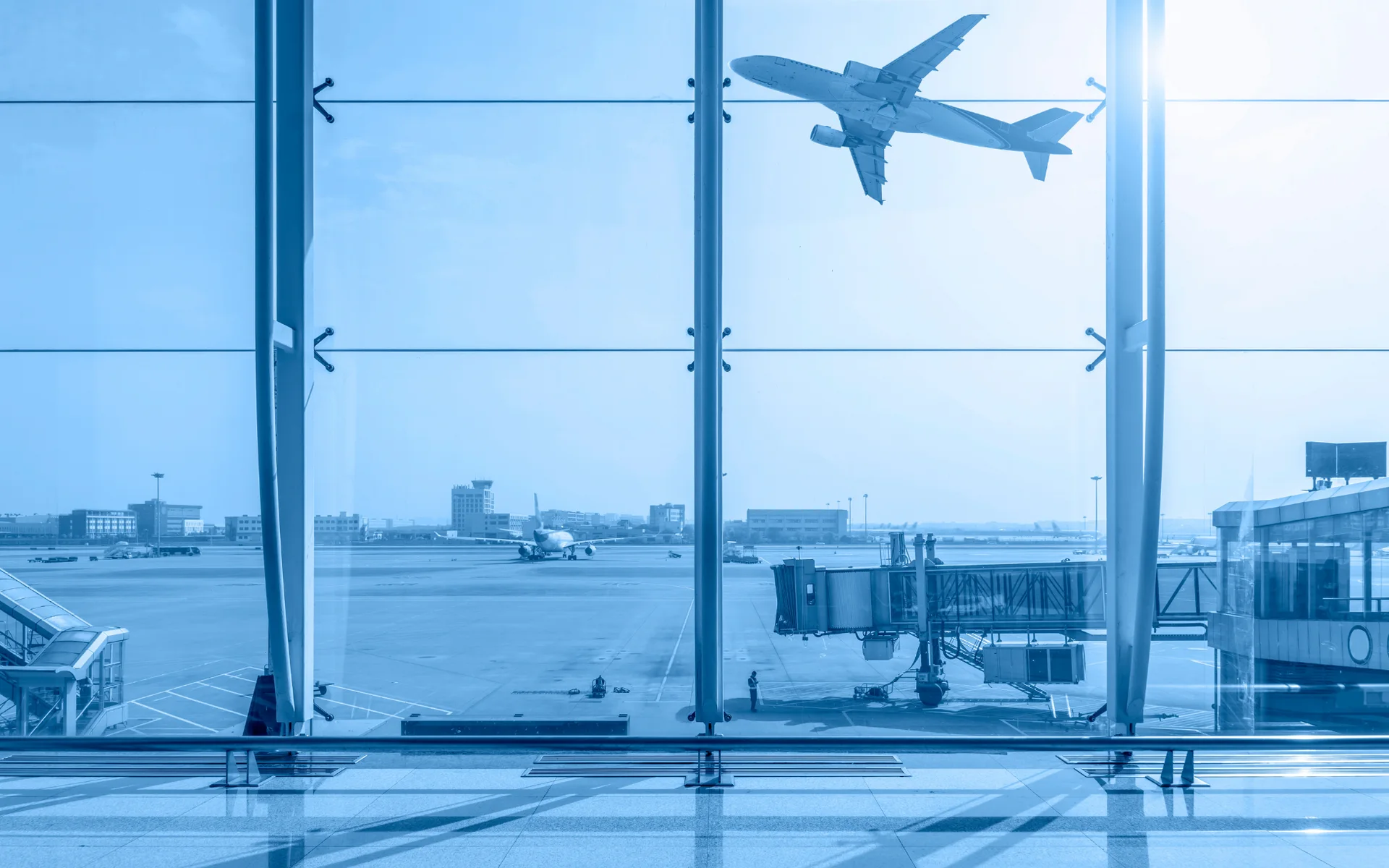
Learn how airlines protect passenger data from cyber threats with encryption, access controls and staff training. See what aviation cyber security needs now.
Read article · 8 min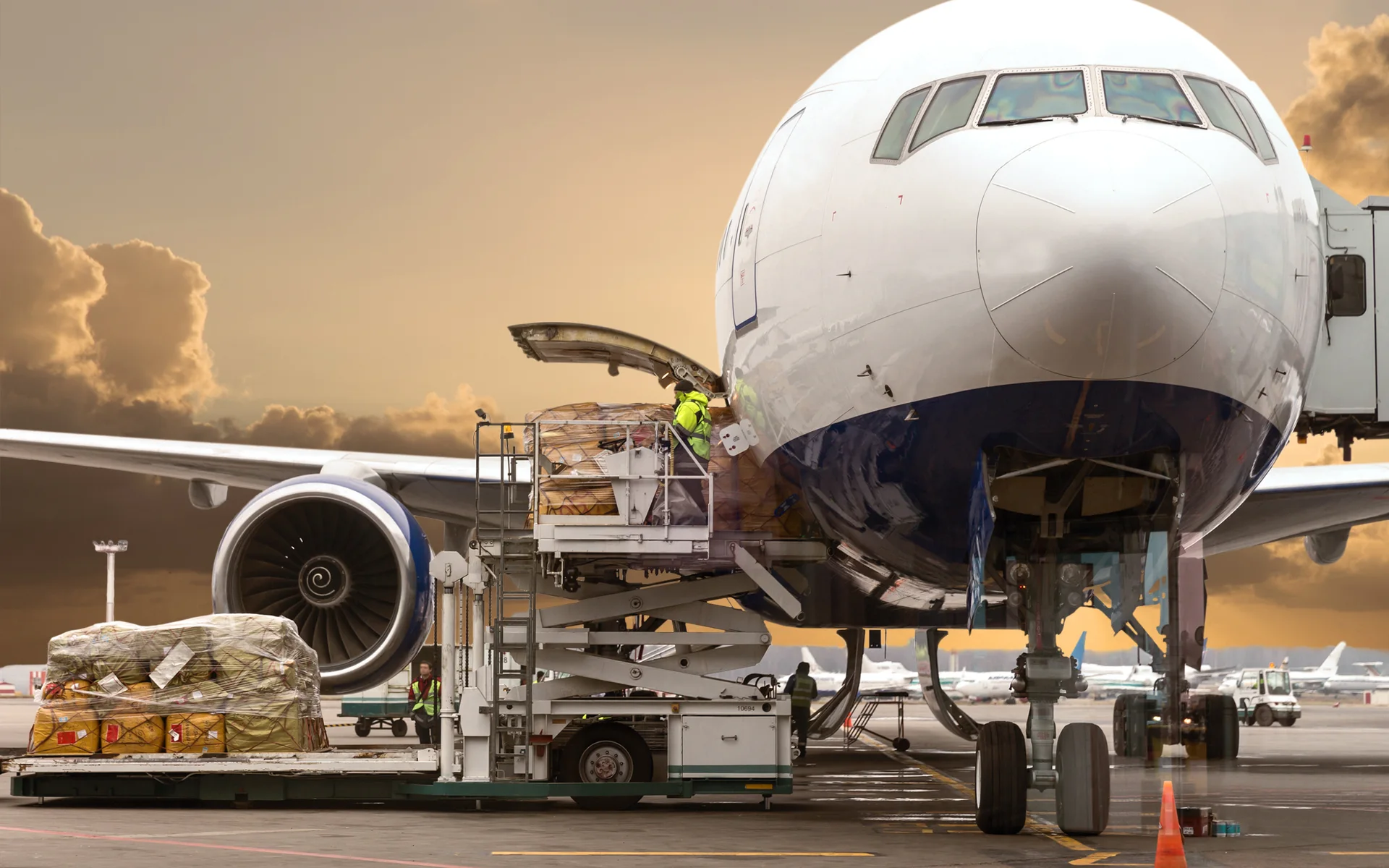
Airport cyber security protects flight operations, baggage systems and passenger data. Learn the key threats, compliance duties and resilience strategies.
Read article · 10 min
How to prevent booking fraud in travel: protect customer accounts, spot fake booking sites and stop phishing scams. Practical steps for travel businesses.
Read article · 12 minYes. We help you complete the CAF based self assessment, close gaps and gather the evidence an ASSURE auditor will expect to see.
Part-IS is the EU requirement for aviation organisations to manage information security risks that could affect safety. It covers organisations such as operators, airports and maintenance organisations in EASA states.
Combine brand and domain monitoring with fast takedown of fake sites, secure booking and loyalty platforms, and clear guidance to customers about how you will contact them.
Yes. Cybergen works with organisations globally and aligns its support to CAA, EASA and other national aviation requirements as they apply to you.
Tell us about your organisation, the regulations you work under and what is worrying you most.
A member of our team will be in touch to talk through your sector and requirements.