
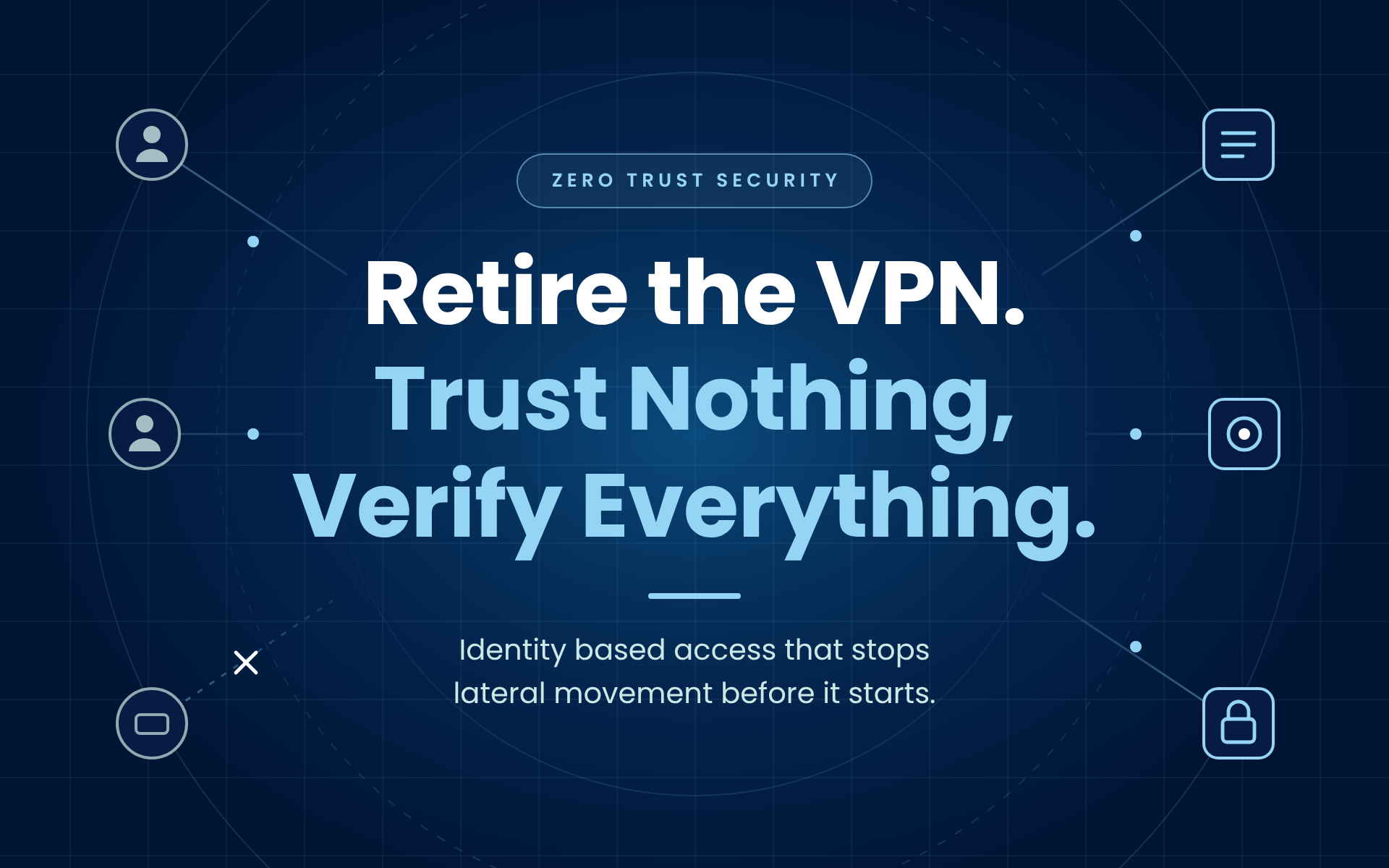
Discover how zero trust security replaces legacy VPNs with identity based, application specific access that stops lateral movement. Expert guidance from Cybergen.
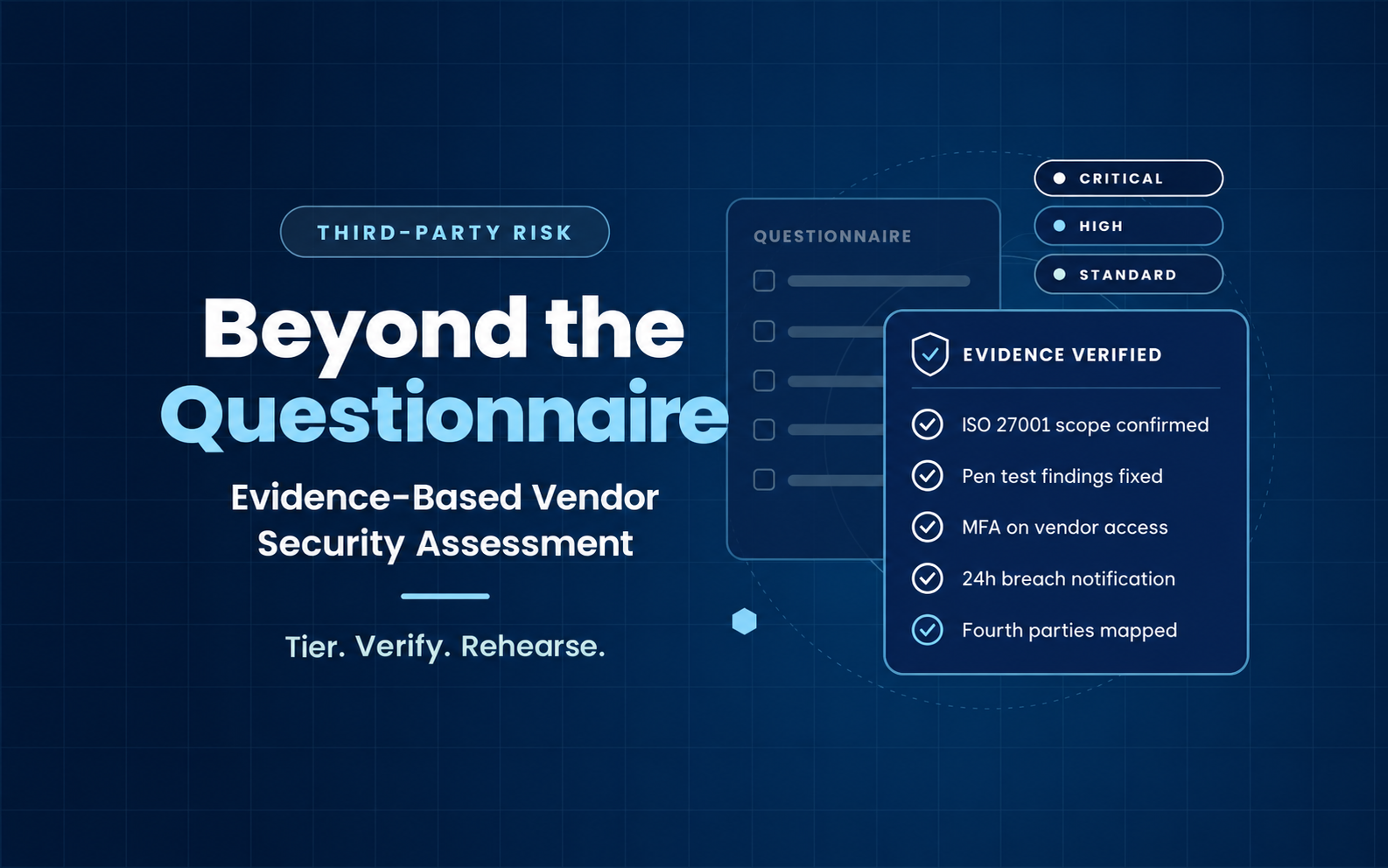
Vendor questionnaires create paperwork, not assurance. Learn how CISOs can tier suppliers, verify security evidence and rehearse a vendor breach before it happens.
Shadow AI is now the top concern for security leaders. A practical 90-day plan for CISOs to discover, classify and govern unapproved AI use without slowing the business.
Backups are not a recovery plan until you have tested them under attack conditions. A practical playbook for CISOs to test, measure and evidence ransomware recovery.
What are STIX and TAXII? Learn how these open standards structure and share cyber threat intelligence, and how your SOC can use them to detect threats faster.
A practitioner's guide to building a cyber threat intelligence program: intelligence requirements, collection, analysis, SOC integration, metrics and a roadmap.
Learn how global enterprises can map supplier dependencies, find shared points of failure and strengthen third-party cyber risk management.
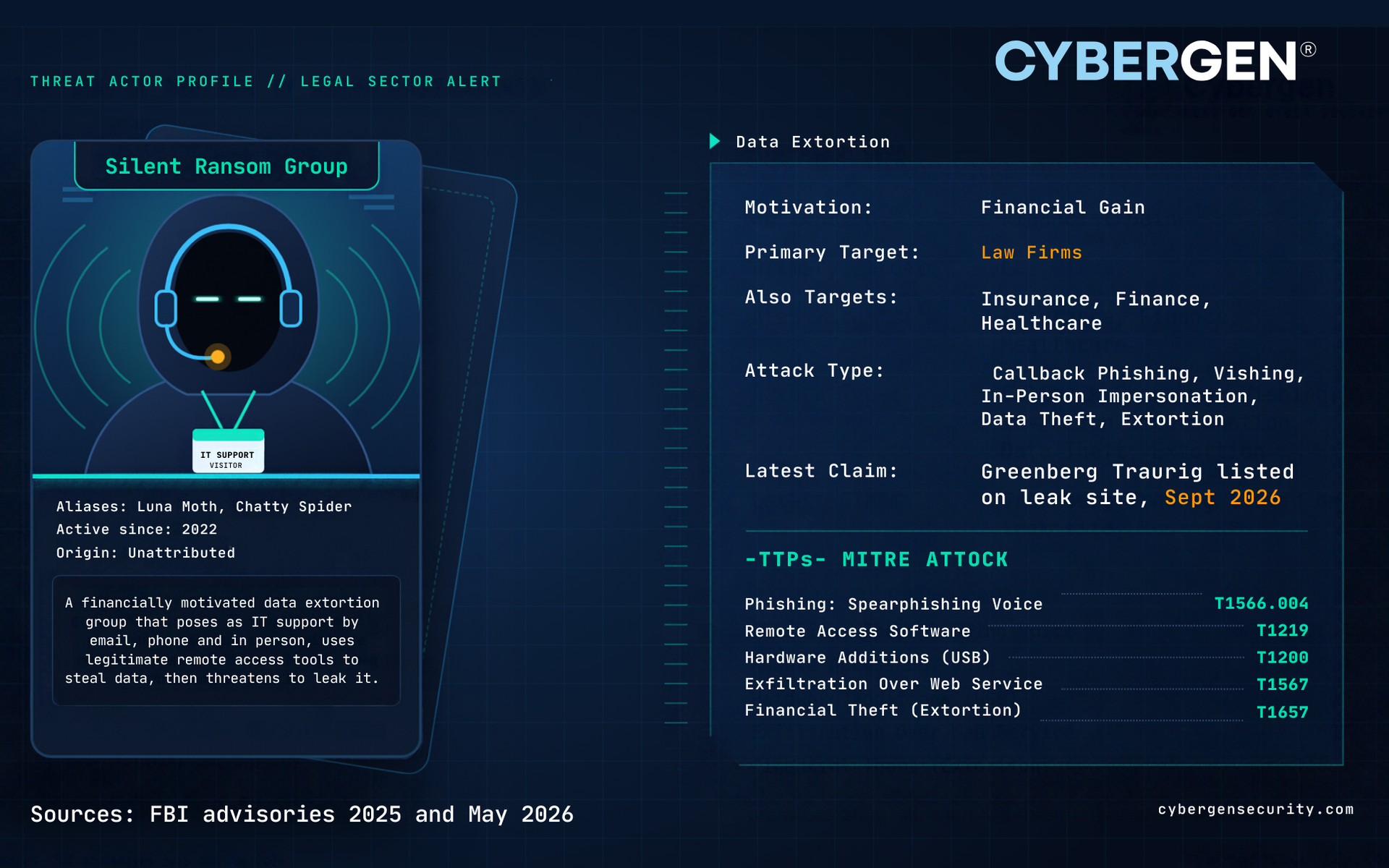
Greenberg Traurig is the latest law firm hit as Silent Ransom Group targets the legal sector. Learn how these attacks work and how to protect your firm.

Non-human identities now outnumber employees by 50 to 1. Discover the risks of API keys, service accounts and AI agents, and how to secure them.
