Understanding Lateral Movement in a Corporate Network

July 10, 2025

Introduction

Cybersecurity threats are constantly evolving, and one of the most dangerous techniques used by attackers today is lateral movement. This method allows cybercriminals to explore a compromised network, accessing sensitive systems and data once initial entry is achieved. It is no longer sufficient to only guard the perimeter. The focus must now shift to identifying and stopping threats that are already inside.


This blog is for IT professionals, cybersecurity teams, business leaders, and students who want to understand lateral movement and the techniques attackers use to spread within networks. With recent attacks on global corporations making headlines, knowing how attackers move laterally is more critical than ever. This blog will break down the process and provide actionable strategies to stop it.

What Is Lateral Movement? 

Credential Harvesting: The First Step

Credential harvesting is usually the attacker’s first move after initial access. This involves collecting usernames and passwords, either in plain text or hashed format, from a compromised device.


Attackers use various methods to collect credentials. Common techniques include memory scraping, keylogging, and phishing. Tools such as Mimikatz, LaZagne, and Windows Credential Editor can extract stored passwords and hashes directly from system memory or the Windows Security Account Manager (SAM).


For example, an attacker gains access to an employee’s machine through a phishing email. They then use Mimikatz to dump credentials from memory. These credentials may include domain administrator usernames and passwords. This access can open the door to the entire network.

Once credentials are obtained, the attacker tests them across different systems. This trial-and-error approach is surprisingly effective due to password reuse and inconsistent password policies across organisations.

Pass-the-Hash Attacks

How Pass-the-Hash Works


Pass-the-hash is a technique where an attacker uses a stolen hashed password instead of cracking it. This works because many Windows systems accept hash values as valid credentials, especially in older versions or poorly configured systems.


Instead of needing the actual password, attackers use the hash to authenticate and move laterally. NTLM (NT LAN Manager) hashes are most commonly used in this attack. These are typically obtained through tools like Mimikatz.


Real Example

Using tools such as Impacket or CrackMapExec, an attacker can use a stolen NTLM hash to authenticate into another machine without needing to know the actual password. For instance, after dumping the NTLM hash from an initial machine, the attacker uses CrackMapExec to gain access to a file server.


Mitigation Techniques


To prevent pass-the-hash attacks, organisations should:


  • Disable NTLM authentication where possible
  • Enforce SMB signing to prevent man-in-the-middle attacks
  • Use Microsoft LAPS (Local Administrator Password Solution) to ensure local admin passwords are unique across systems
  • Limit the use of domain administrator accounts•
  • Monitor authentication logs for unusual activity


Pivoting Through the Network


What is Pivoting


Pivoting is the technique used by attackers to route their network traffic through a compromised system to reach other machines. It allows attackers to expand their reach within the network without needing direct access from the outside.


There are two common types of pivoting:


  • Proxy pivoting: Traffic is tunneled through the compromised host using tools like ProxyChains.
  • VPN pivoting: The attacker sets up a virtual network interface on the compromised host, essentially becoming part of the internal network.


Examples of Pivoting

An attacker may start by compromising a desktop computer using a phishing attack. From there, they use tools like Metasploit or Chisel to pivot into an internal HR database server. They may use SSH tunneling to obscure their movement and blend in with normal traffic.

Detection and Defence Strategies

Early detection of lateral movement is crucial for preventing a full-scale cyber attack. Once an attacker gains access to an internal network, the next objective is typically to move laterally between systems in search of valuable assets or data. Without robust detection mechanisms in place, attackers can remain undetected for days or even weeks. This section explores key strategies organisations can adopt to strengthen their defence posture and quickly identify suspicious activity within their networks.


Traditional signature-based detection methods are increasingly inadequate for spotting lateral movement. These systems rely on known attack patterns or malware signatures and are often blind to more subtle or customised attacks. Instead, behavioural detection has become the preferred approach. This technique monitors for anomalies in network or user activity. For example, if an employee account begins accessing systems it has never interacted with before, or if login attempts occur at unusual times, these are strong indicators of compromise. Behavioural analytics enables organisations to respond proactively before attackers escalate their activities.


Security Information and Event Management (SIEM) systems play a key role in threat detection. Platforms such as Microsoft Sentinel or Splunk aggregate and analyse log data from across the organisation. This includes login events, network traffic, file access records and system logs. By correlating these data points, SIEM platforms can identify patterns that suggest lateral movement or privilege escalation. Alerts can then be triggered in real-time, allowing security teams to act swiftly.


Endpoint Detection and Response (EDR) tools are also essential in a modern cybersecurity strategy. Solutions such as WatchGuard EDR continuously monitor endpoint activity, including processes, registry changes and file behaviour. These tools offer visibility at the host level and can detect suspicious activity even if the attacker uses legitimate credentials or "living off the land" techniques. EDR platforms often provide automated responses, such as isolating infected systems or terminating malicious processes, thereby reducing the impact of an attack.


In addition to technical solutions, organisations should regularly conduct red team and blue team exercises. Red teams simulate the tactics of real-world attackers, attempting to breach defences and move laterally within the network. Blue teams are responsible for defending the network and detecting the attack. These simulations uncover gaps in the organisation’s security posture and test the effectiveness of current monitoring and response tools. Lessons learned from such exercises should be fed back into security policies and playbooks to continuously improve resilience.


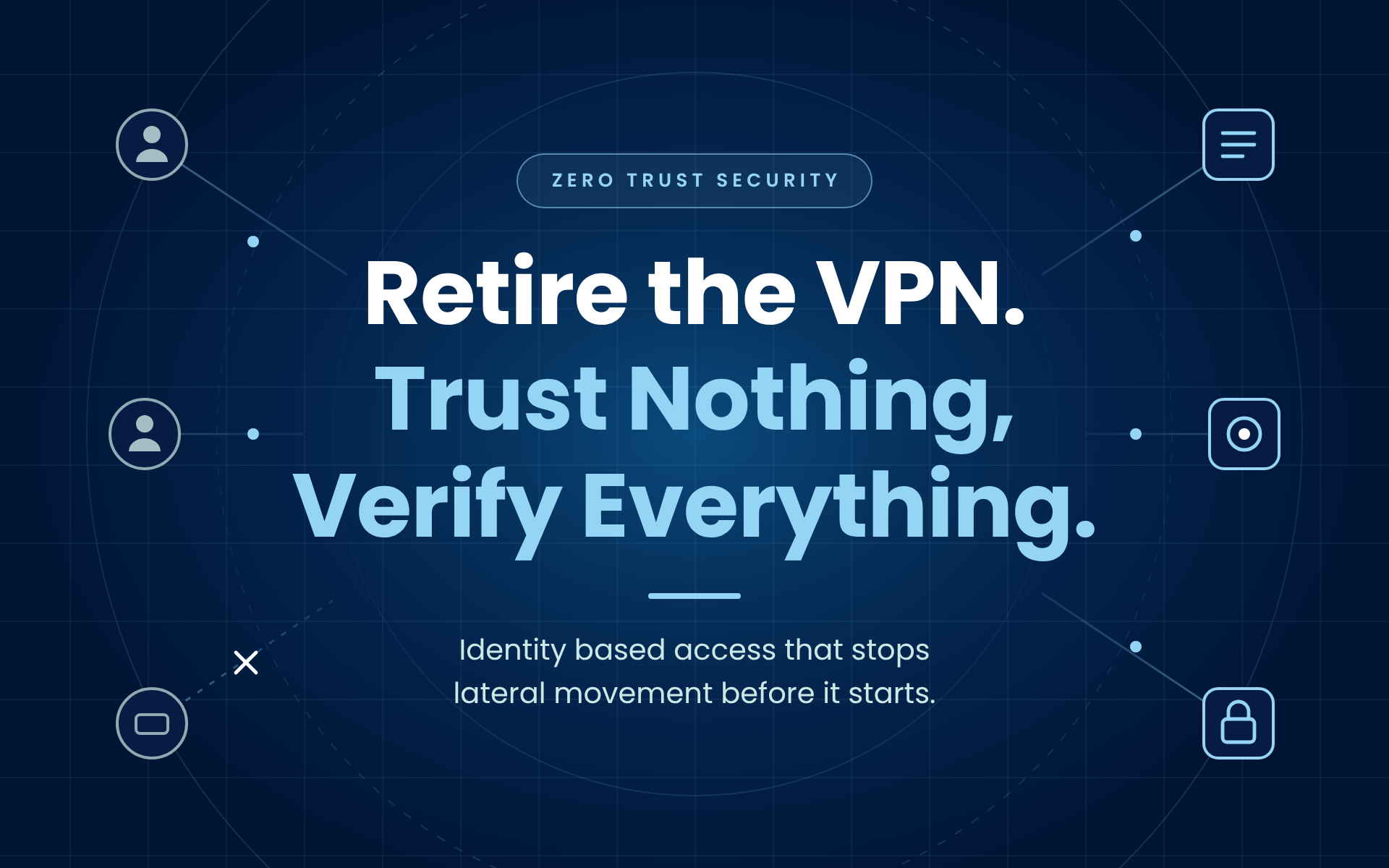
Furthermore, adopting a zero-trust architecture significantly limits the scope of lateral movement. This approach assumes that no part of the network is automatically trusted, even if it lies behind the firewall. Every user and device must be authenticated and authorised before gaining access to resources. Combined with network segmentation and role-based access controls, zero-trust reduces the risk of attackers freely moving from one system to another.


In conclusion, detecting lateral movement requires a proactive and layered defence strategy. Behavioural analytics, SIEM and EDR platforms, combined with simulated exercises and a zero-trust mindset, equip organisations to stay one step ahead of attackers. Cybergen strongly recommends a holistic approach that incorporates both cutting-edge tools and a culture of continuous vigilance.

The Cybergen Approach

At Cybergen, we understand the evolving threat landscape. Our services help organisations strengthen their defences against lateral movement and other internal threats.


We offer advanced threat detection solutions, including SIEM integration, EDR configuration, and custom alerting rules tailored to your network. Our consultancy services help businesses develop and implement zero-trust security models, where every access request is verified and monitored.


We also provide phishing simulation campaigns, credential hygiene audits, and internal penetration testing to prepare your team for real-world attacks.


Learn more about how we can help at www.cybergensecurity.co.uk.

Summary

Lateral movement represents one of the most dangerous phases of a cyber attack. Once attackers bypass the perimeter, they look for ways to spread within your network, often going undetected for weeks.


Understanding how credential harvesting, pass-the-hash attacks, and pivoting work can help your organisation develop a more robust defence strategy. Cybergen is here to support your efforts, offering the tools and knowledge needed to detect, respond to, and prevent lateral movement in your environment.


Stay proactive. Take action. Secure your network from the inside out.

Ready to strengthen your security posture? Contact us today for more information on protecting your business.


Let's get protecting your business

Person typing on laptop, with cloud, documents, and security icons overlaid, suggesting cloud computing.
January 18, 2026
If attackers tested your systems tomorrow, what would they find? Discover how modern penetration testing exposes real attack paths, identity weaknesses, and hidden misconfigurations before they become breaches.
Person using computer with multiple screens displaying security shields and code in blue hues.
January 10, 2026
CTEM strengthens cyber resilience by continuously identifying, prioritising and reducing real-world cyber exposure for UK organisations.
Man looking intently at a computer screen displaying a warning symbol within a shield. Dark blue background.
January 4, 2026
Learn the real cost of penetration testing and pen testing in the UK in 2026, including pricing factors, average costs, and how to budget effectively.
A human face with cracks and glowing red eyes, overlaid with digital code and a red triangle symbol.
January 1, 2026
Ransomware in 2026: an overview of active and emerging threat groups, tactics, and trends—covering how attacks evolve, who’s driving them, and what organisations can do to reduce risk and recover fast.
Cybergen and Flashpoint graphic: headline
December 12, 2025
Cybergen partners with Flashpoint to enhance threat intelligence, giving organisations deeper visibility, proactive defence, and faster response to cyber threats.
Gold fishing hook with chain, in front of a computer screen displaying email icons.
December 12, 2025
Explore how travel companies are fighting booking fraud and phishing with advanced security, awareness training, and stronger authentication to protect customers.
People walk toward Tower Bridge in London, a modern glass building and the City Hall dome are in the background.
December 7, 2025
A full guide on how public sector agencies strengthen digital security through strong controls and modern practices.
Laptop on desk with holographic financial charts displayed in an office setting.
December 3, 2025
A detailed guide on why LegalTech platforms must strengthen cyber defences to protect data, clients and services.
Cars driving on a multi-lane highway, with digital sensor overlays. Urban setting.
November 25, 2025
Explore cybersecurity risks in autonomous driving systems and learn practical steps to protect connected vehicles. This detailed guide explains threats, safety measures and expert insights for stronger defence.