The Role of Cybersecurity in the Educational Sector

July 6, 2025

Introduction

As classrooms become hybrid or fully online, with the integration of AI, cloud platforms, and remote access tools, cybercriminals have found new vulnerabilities to exploit. From primary schools to global research universities, no institution is immune. The importance of cybersecurity in education is no longer a niche topic; in 2025, it is central to ensuring the integrity, safety, and trust of academic environments worldwide.

The Expanding Threat Landscape

A Wake-Up Call for the Sector

In 2025, the stakes are higher than ever. Universities are conducting advanced research with government partnerships, schools are managing vast data from remote learning tools, and online payments are now standard. Every one of these innovations introduces new risks if not properly secured.


The evolution of cyber threats from simple phishing to AI-driven polymorphic malware demands advanced, adaptive cybersecurity frameworks. Threat actors are no longer just rogue hackers; they are often part of organised criminal syndicates or state-sponsored groups with sophisticated capabilities.


Institutions must shift from reactive defence to proactive resilience. That means investing in infrastructure, building a cybersecurity-aware culture, and implementing solutions designed specifically for academic environments.

Cybergen’s Mission in 2025

As a leader in education-focused cybersecurity, Cybergen has continuously evolved its services to match the dynamic needs of the sector. Our 2025 solutions include:


  • AI-Powered Threat Detection: Real-time behavioural analytics to identify anomalies across networks, cloud systems, and devices.
  • Instant Incident Response: Automated playbooks and rapid isolation protocols to contain threats before they spread.
  • Data Loss Prevention (DLP): Protecting intellectual property, exam materials, and personal data from unauthorised access or leaks.
  • Endpoint Security for Remote Learning: Full-spectrum coverage across laptops, tablets, and smartphones even on personal devices.
  • Customised Training and Awareness Programs: Educating teachers, students, and staff on digital hygiene and social engineering tactics.


Whether you are a primary school with a modest IT team or a global research university, we tailor solutions to match your unique needs and resource levels.

Why Is Education a Prime Target?

1. Financial Motivation


Educational institutions handle sensitive financial data tuition payments, scholarships, payrolls, and vendor transactions. Cybercriminals use ransomware to extort money or sell stolen financial data on the dark web. In 2025, the proliferation of digital payment gateways and mobile banking apps tied to campus life has made this sector even more lucrative for bad actors.


2. Technological Diversity


Modern campuses are hyper-connected. From smart whiteboards and digital ID cards to e-learning platforms and mobile apps, every device is a potential entry point. Many students use unsecured personal devices, creating a porous perimeter that traditional security tools struggle to defend. Attackers exploit this environment through social engineering, phishing, or man-in-the-middle attacks on unprotected networks.


3. Research and Intellectual Property


Higher education institutions produce cutting-edge research, some of which has military or commercial value. In recent years, universities have been targeted by nation-state hackers aiming to steal vaccine formulas, clean energy patents, and artificial intelligence models. The theft of intellectual property not only disrupts progress but can undermine national interests.


4. Personal and Health Data

With student health centres, mental health records, and insurance information stored digitally, educational institutions also hold vast amounts of sensitive personal and medical data. This makes them attractive targets for identity theft and fraud. Cybersecurity in this domain isn't just about technical fixes it’s about governance, access control, and ethical data stewardship.

5. Growing Dependence on Digital Platforms


From Zoom and Microsoft Teams to Canvas and Google Classroom, digital platforms have become integral to teaching and administration. However, many of these tools were not originally designed with security in mind. Educational institutions must scrutinise third-party vendors, review data policies, and ensure their cloud infrastructures are compliant with evolving regulations like GDPR and FERPA.

Here Are The Key Areas Covered In A CREST Penetration Test

Web Applications

Web applications are often the most exposed parts of an organisation’s digital footprint. CREST testing identifies flaws such as SQL injection, cross-site scripting (XSS), insecure authentication, and session management weaknesses. These vulnerabilities can expose sensitive customer data or allow unauthorised access to internal systems.


Internal Networks

Internal penetration testing simulates the actions of a malicious insider or a compromised employee account. CREST testers assess how far an attacker could move laterally within your organisation’s network. They evaluate user permissions, shared drives, endpoint security, and the potential for privilege escalation.


External Infrastructure

This involves testing assets that are accessible from the internet, such as servers, firewalls, and routers. CREST-accredited testers examine the organisation’s perimeter to find misconfigurations, open ports, outdated services, and other common vulnerabilities that attackers frequently exploit to gain initial access.


Wireless Assessments

Wireless networks present unique challenges. Poorly secured wireless access points can be a gateway into your organisation’s network. CREST testing includes assessing encryption protocols, rogue access points, wireless segmentation, and device configurations to ensure wireless environments are secure.


By choosing a CREST-accredited testing provider, businesses ensure their security is evaluated by certified professionals using methodologies that meet industry and regulatory expectations. This not only reduces risk but also strengthens customer trust and compliance standing.

You can learn more about these services on our penetration testing page.


It is cost-effective, widely recognised, and often delivers quicker turnaround times than CHECK. Most importantly, it aligns with commercial risk tolerance and typical threat landscapes in the private sector.

Building Resilient Digital Campuses

To build cyber resilience, educational institutions must prioritise security across every level of their operations. Here are some best practices recommended for 2025:


  • Develop a Cybersecurity Governance Framework: Define roles, responsibilities, and escalation procedures across departments.
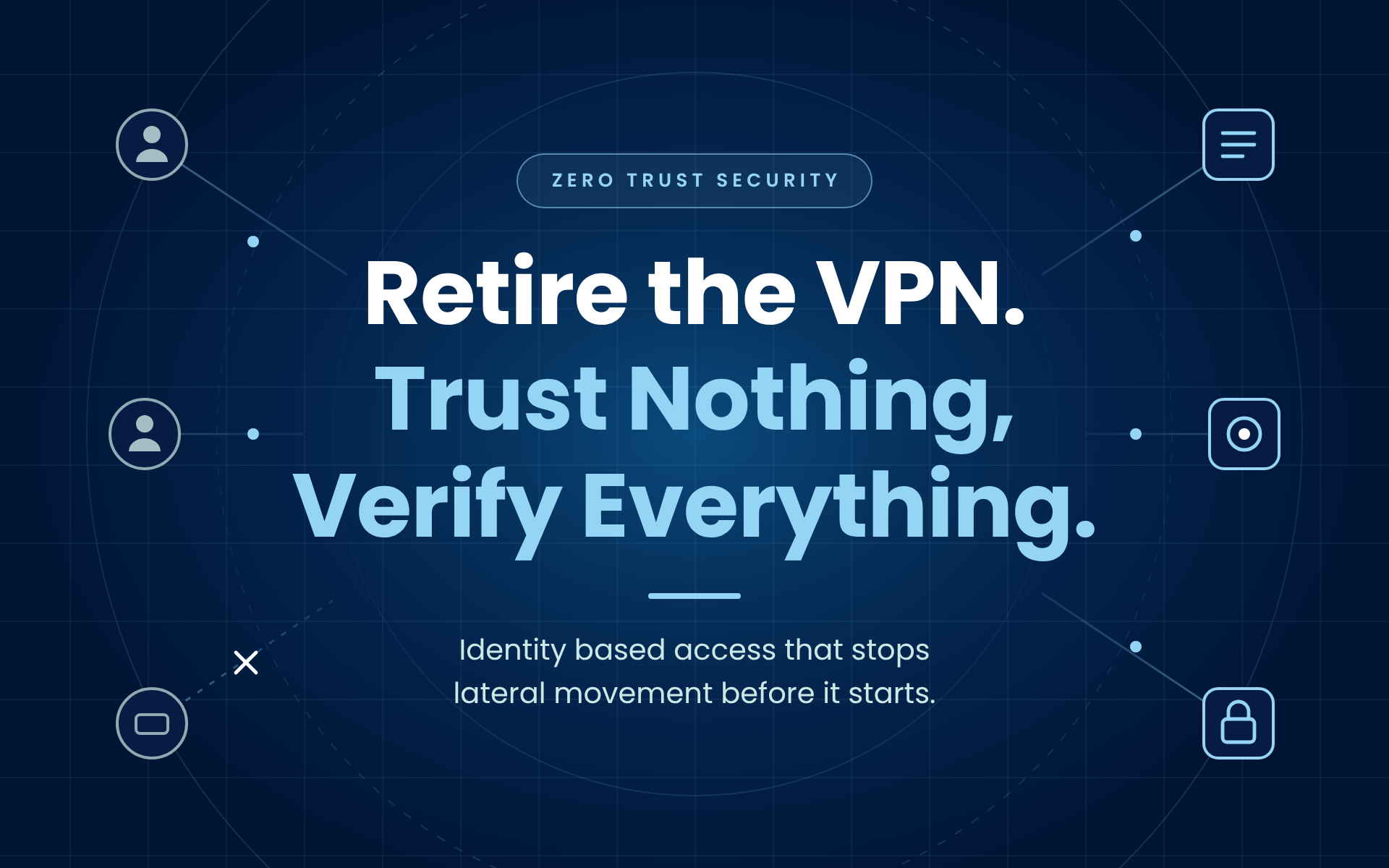
  • Implement Zero Trust Architecture: Never trust, always verify. Apply this principle to users, devices, and applications.
  • Adopt Strong Authentication Mechanisms: Mandate MFA (multi-factor authentication) for all users, especially those with privileged access.
  • Invest in Cybersecurity Talent: Train and retain skilled professionals, and collaborate with universities offering cybersecurity programs.
  • Regular Penetration Testing and Simulations: Test your defences by mimicking real-world attacks to identify gaps before adversaries do.
  • Secure BYOD (Bring Your Own Device) Policies: Create clear guidelines and mobile device management (MDM) solutions for student-owned hardware.
  • Encrypt All Sensitive Data: Whether in transit or at rest, ensure critical information is protected through strong encryption protocols.
  • Establish Incident Response Plans: Prepare for the worst by defining clear procedures, roles, and communication channels during a cyber crisis.

Cyber Awareness and Education

Beyond technology, awareness is the most critical defence layer. At Cybergen, we believe cybersecurity literacy should be a core competency, just like reading or math. We offer modular training programs that teach:


  • How to recognise phishing attempts
  • Why password reuse is dangerous
  • What to do when a device is lost or stolen
  • How to report suspicious activity immediately


Gamified simulations, interactive modules, and real-world scenarios make our training effective across all age groups and literacy levels.

Preparing for the Future

The education sector is the cornerstone of progress, shaping the minds and technologies that will define tomorrow. Protecting this sector is not just an IT concern it’s a societal imperative.

In 2025, we must expect that attacks will continue to evolve, exploiting every digital transformation in their path. Educational institutions cannot afford to be passive. They must lead by example, embracing cybersecurity as a foundational element of academic excellence and innovation.


With over 30 years of cybersecurity expertise, Cybergen is proud to stand beside the global academic community. Our solutions are trusted by thousands of institutions worldwide, from public schools to Ivy League universities. We are committed to helping you build a secure, resilient, and future-ready digital campus.


Let us help you secure your future today.

Ready to strengthen your security posture? Contact us today for more information on protecting your business.


Let's get protecting your business

Person typing on laptop, with cloud, documents, and security icons overlaid, suggesting cloud computing.
January 18, 2026
If attackers tested your systems tomorrow, what would they find? Discover how modern penetration testing exposes real attack paths, identity weaknesses, and hidden misconfigurations before they become breaches.
Person using computer with multiple screens displaying security shields and code in blue hues.
January 10, 2026
CTEM strengthens cyber resilience by continuously identifying, prioritising and reducing real-world cyber exposure for UK organisations.
Man looking intently at a computer screen displaying a warning symbol within a shield. Dark blue background.
January 4, 2026
Learn the real cost of penetration testing and pen testing in the UK in 2026, including pricing factors, average costs, and how to budget effectively.
A human face with cracks and glowing red eyes, overlaid with digital code and a red triangle symbol.
January 1, 2026
Ransomware in 2026: an overview of active and emerging threat groups, tactics, and trends—covering how attacks evolve, who’s driving them, and what organisations can do to reduce risk and recover fast.
Cybergen and Flashpoint graphic: headline
December 12, 2025
Cybergen partners with Flashpoint to enhance threat intelligence, giving organisations deeper visibility, proactive defence, and faster response to cyber threats.
Gold fishing hook with chain, in front of a computer screen displaying email icons.
December 12, 2025
Explore how travel companies are fighting booking fraud and phishing with advanced security, awareness training, and stronger authentication to protect customers.
People walk toward Tower Bridge in London, a modern glass building and the City Hall dome are in the background.
December 7, 2025
A full guide on how public sector agencies strengthen digital security through strong controls and modern practices.
Laptop on desk with holographic financial charts displayed in an office setting.
December 3, 2025
A detailed guide on why LegalTech platforms must strengthen cyber defences to protect data, clients and services.
Cars driving on a multi-lane highway, with digital sensor overlays. Urban setting.
November 25, 2025
Explore cybersecurity risks in autonomous driving systems and learn practical steps to protect connected vehicles. This detailed guide explains threats, safety measures and expert insights for stronger defence.